

Paleo would have to be one of the most popular new (or should I say old?!) dietary patterns out there. Some call it a fad, other fervidly defend it as a lifestyle and a healthy way of living. So should you go paleo?
The paleo diet is based on the diet of our ancestors in the Palaeolithic period which pre the agricultural revolution. The argument for paleo is that our Palaeolithic ancestors did not suffer the diseases of modern times and that we haven’t sufficiently adapted to a diet that includes grain, legumes and dairy. Based on this, the following foods are in and out:
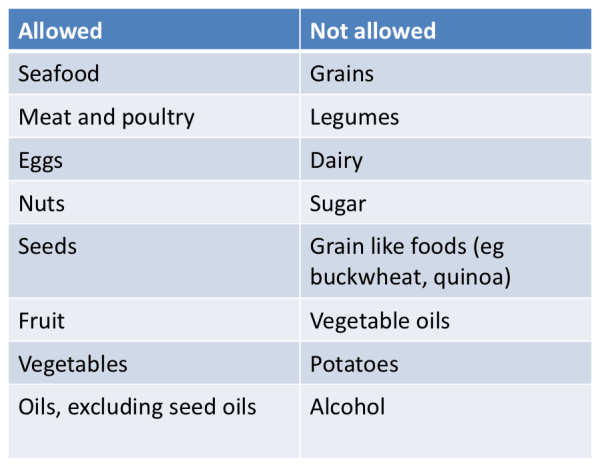
So do the claims of paleo stack up? Here’s the pros and cons of the paleo diet:
Pros:
The best thing about paleo is you cut out a lot of processed, refined carbohydrates foods and that is a huge benefit. We know that these foods are of no nutritional value. The focus is on nutrient rich fruits, vegetables, nuts, seeds and meats/seafood which is a big improvement on the standard western diet which contains lots of sugar, refined carbohydrate and not enough fruit or vegetables.

Cons:
As well as cutting out sugary, processed food, you also cut out dairy, legumes and wholegrains. While our ancestors most certainly weren’t popping down to grab a burger, fries and coke, there is plenty of evidence that they did actually include some grains and legumes in their diet. And there is also evidence that we have adapted to eat a range of foods that include both dairy, legumes and grains. You can read more about that here. There is also plenty of evidence that whole grains, legumes and dairy provide nutritional value to our diets and are beneficial for health (see here, here and here as a few examples).
Cutting out food groups means you also have to consider where you get other nutrients from. For example, calcium. Dairy is one of our main sources. It takes some planning to get enough calcium on paleo. Think fish with bones like sardines and salmon, kale, almonds and fortified almond milk. Calcium isn’t the be all and end all when it comes to bone health, but it is a very important component. Calcium is also better absorbed from dairy than it is from plant based vegetables.
Healthy population groups eat grains, legumes and dairy:
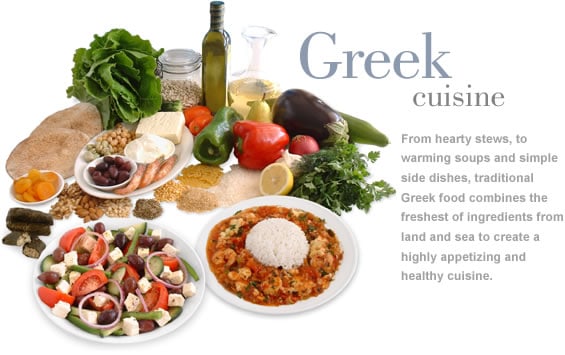
Image found here
An important point to consider is that grains, legumes and dairy are components of the dietary patterns followed by some of the world’s healthiest populations (Known as the Blue Zones). If grains, legumes and dairy were “toxic” as claimed by some paleo advocates, then surely those populations who ate these foods would not be some of the longest living in the world. People from the Blue Zone’s all have different dietary patterns but their diets have the same commonalities. Their diets contain legumes (including fava, black, soy and lentils). They eat wholegrains. They also eat meat in small quantities. They eat plenty of vegetables.
One example is the Sardinian population in the Mediterranean. Their diet centres around vegetables, wholegrain bread, legumes, fruit, with a little milk and cheese. Meat is only consumed in small portions. They have low rates of heart disease and a high number of centenarians (people who live to 100).
Sure refined grains are not what you’d call healthy. But the evidence that wholegrains are an unhealthy option just isn’t strong. In fact, a recent study that was published found that those who included wholegrains in their diet were less likely to die from cardiovascular disease than those who did not (read story here. Some people with irritable bowel and other digestive disorders may have issues with some wholegrains (such as wheat/barley/rye) but this doesn’t mean they are bad for everyone, or they need to cut out all grains.
Paleo isn’t for everyone, and like any eating pattern, it can be done well, or done badly.
Not everyone that eats paleo feels amazing, especially if they go too low carb. Here’s a really interesting post from someone who started out writing a paleo blog. And another example here from Michelle who I interviewed on my blog.
Some common paleo mistakes are focusing too much on meat, and not including enough vegetables; and also not replacing dairy with any other sources of calcium.

Image found here
Summary:
Do you have to go paleo to be healthy? No.
Can paleo be healthy? Yes.
Paleo does have many good points and it can be a healthy way to eat if it’s well thought through and balanced. However, it is restrictive. And in my opinion, unnecessarily restrictive. It’s not necessary to remove wholegrains, legumes and dairy from your diet to be healthy unless you have an intolerance or allergy to these products.
Focus on a diet that is based on minimally processed foods and contains plenty of plant based products – it’s this dietary pattern that has been consistently found to lower risk of disease. There are lots of ways to eat healthy – find a way that works for you, rather than focusing on set rules.
Images found here


Paleo has been all the rage at my work for the past year or so -I can barely go a day without hearing about someone’s diet! After thinking about it, though, I think my Asian diet is pretty much paleo anyway..