
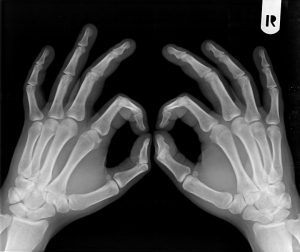
While we’ve all been so cautious to slip, slop, slap and wrap its had a downside. A growing number of people are suffering from Vitamin D deficiency, the vitamin we make ourselves when the UVB rays from sunlight hit our skin.
Vitamin D is essential for bone mineralisation and general muscle and bone health. Severe deficiency can result in weak bones in adults, and misshapen bones in children – a condition known as rickets.
The good news is, we don’t have to bake in the sun to get enough. Read on to find out if you’re at risk of deficiency and how to get enough Vitamin D.
How much Vitamin D are we getting?
It is estimated that half of the New Zealand population have vitamin D levels below the optimal range. Luckily, only around 3-4% are thought to have a severe deficiency. Our vitamin D levels are affected by a number of things, some we can change, some we can’t. We synthesise less Vitamin D in the winter, those who have darker skin pigmentation synthesise less and obese people also have lower levels of vitamin D than those who are non-obese.
What happens if we don’t get enough?
Moderate to severe vitamin D deficiency can cause something called osteomalacia in adults- which is when our bones don’t have adequate mineralisation and are soft. In children, this causes rickets – misshapen bones.
In elderly, there is an increased risk of falls and fractures.
Adequate vitamin D is important for pregnant women as it is necessary for foetal development. Babies who are born to mothers suffering vitamin D deficiency are at increased risk of rickets, limb pain, bone fracture or seizures caused by low levels of calcium (Vitamin D helps regulate calcium levels).
How to prevent vitamin D deficiency
1. Get some sunshine
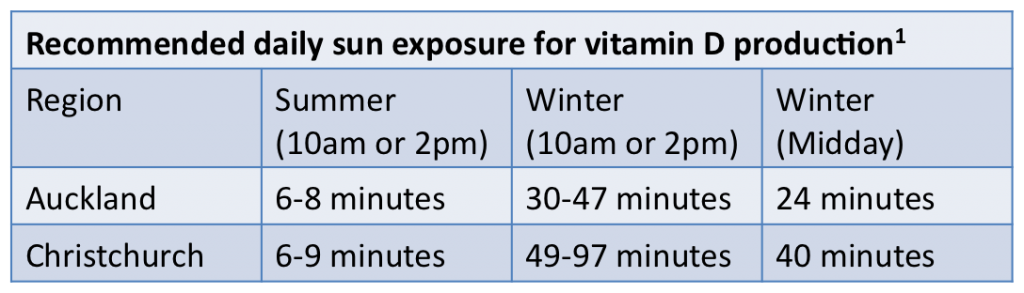
This doesn’t mean baking yourself in the sun. Short and more frequent exposure to the sun is better than long periods of exposure, and you should never stay in the sun so long that your skin burns. The amount of skin exposed to the sun doesn’t need to be a lot either. 20% of skin exposure is enough – wearing shorts and t-shirt means around 30% of our skin is exposed. During winter our levels of Vitamin D drop. On a nice day, roll up your sleeves to maximise Vitamin D synthesis.
2. Boost your levels with dietary sources
While sunshine provides the vast majority of our Vitamin D, dietary sources are important in topping up our levels, particularly in winter. For those aged 0-50 years, NZ guidelines are for 5 mcg of Vitamin D a day.
Oily fish is the best source of vitamin D. Beef, liver, fortified margarine, egg yolk and fortified breakfast cereal also provide a source of vitamin D.
100g salmon – 15mcg
100g cooked mackerel – 11mcg
100g canned tuna – 5mcg
100g cooked beef or liver – 1.5mcg
1 tablespoon fortified margarine – 1.5mcg
1 egg yolk – 1mcg
Should you take a supplement?
Currently, supplementation is only recommended for those who are at risk of vitamin D deficiency, and also people who have had a blood test to show they have low levels of vitamin D that can’t be increased practically through sunlight and diet. This is because too much vitamin D can cause toxicity.
Groups who are at risk include:
*those with dark skin, as they require up to 6 times more sunlight to make vitamin D than fair skinned people.
*People who have diets deficient in vitamin D, such as vegan or vegetarians
*obese people
*people with medical conditions that affect food absorption, for example coeliac disease.
If you’re concerned you might not be getting enough vitamin D, talk it over with your doctor who can recommend if you should take a supplement.
1. Table sourced from Best Practice Issue 36, June 2011
Bibliography:
Best Practice Issue 36, June 2011 Vitamin D supplementation: Navigating the debate

Leave a Reply